
The Illusion of Control
One of the most powerful psychological tricks casinos employ is the illusion of control. Gamblers often believe they have some influence over the outcome of games, especially in games like blackjack or poker where skill is involved. This belief can cause players to feel more invested in the game, encouraging them to play longer in hopes of winning. Casinos exploit this by allowing players to make decisions that seem impactful, even when outcomes are determined by chance. Many players also search for the best crypto betting sites to maximize their chances of winning.
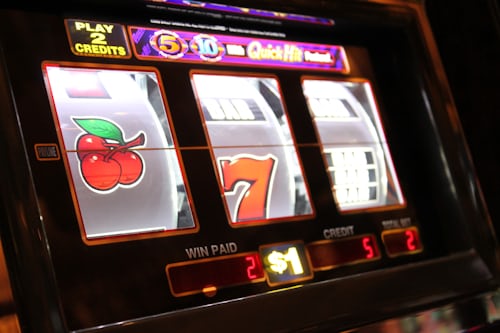
Furthermore, the structure of games reinforces this illusion. Players often engage in strategies that can appear to change their fortunes, such as varying their bet sizes or when to hit or stand. This dynamic makes it difficult for gamblers to recognize the randomness inherent in many games, leading them to continue playing far longer than intended.
Rewards and Reinforcement
Casinos are designed with incentives that reinforce gambling behavior, utilizing a reward system that capitalizes on the brain’s craving for pleasure. Every win, no matter how small, releases dopamine, the neurotransmitter responsible for feelings of enjoyment. This creates a cycle where players chase the next win to experience that rush, often ignoring the time and money spent in pursuit of it.
Moreover, the occasional large payout creates an unpredictable reward schedule, similar to what is seen in slot machines. This variable reinforcement schedule keeps players engaged, as they never quite know when they might hit a significant jackpot. The excitement and anticipation can keep gamblers at the tables or in front of machines much longer than they originally planned.
Environmental Manipulation
The physical design of casinos plays a crucial role in maintaining player engagement. From the moment a player steps inside, they are surrounded by sounds, lights, and scents strategically placed to stimulate their senses. The bright lights and jingling sounds of slot machines create a bustling atmosphere that feels alive and exciting, drawing players deeper into the gaming experience.
Additionally, casinos often lack clocks and windows, which can make it challenging for players to gauge how much time has passed. This deliberate choice discourages players from leaving and encourages longer play sessions. The environment is crafted to be immersive, making the outside world feel distant and keeping the focus on winning.
Social Dynamics at Play
Another psychological aspect casinos exploit is the social environment they create. Gambling is often a communal activity, and the presence of other players can enhance excitement. The cheers and celebrations from neighboring gamblers can create a sense of camaraderie, making individuals less likely to walk away when others are engaged in the thrill of winning.
Groups of friends often visit casinos together, fostering competition and collective excitement. This social interaction reinforces engagement as players seek to uphold the group’s energy and excitement, often leading to prolonged gambling sessions. The social aspect can distract from personal limits, making it easy to overlook responsible gambling practices.

Empowering Youth Voices through Advocacy
While discussing the psychological tricks of casinos, it’s important to recognize platforms like Voice4Change England that empower young people’s voices regarding social issues, including gambling addiction. This platform encourages youth to share their experiences and insights, fostering dialogue about the impacts of gambling on individuals and communities.
By connecting young advocates with decision-makers, Voice4Change England plays a crucial role in promoting awareness and facilitating change. Engaging with topics surrounding gambling and its psychological implications can inspire young people to be part of the solution, contributing to healthier attitudes towards gambling in society.
Comentarios recientes